
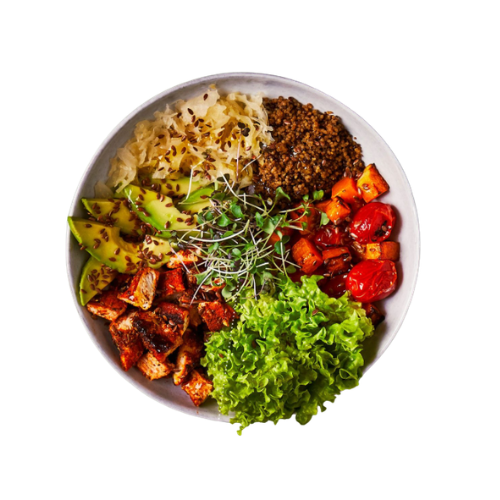
Wholefood, Clean Eating — What Does It Really Mean?
If you’ve worked with me, been to one of my classes, or read my emails, you’ll often hear me talk about wholefood, clean eating — with a plant-forward approach.
But what does that actually mean in real life?
Let’s simplify it.
At its core, wholefood eating is about choosing foods as close to their natural state as possible. Foods that your body recognises. Foods that nourish rather than overwhelm.
That looks like:
-
Vegetables and fruits
-
Legumes
-
Whole grains
-
Nuts and seeds
-
Quality proteins (animal or plant, depending on your preferences)
-
Healthy fats
And it means minimising:
-
Ultra-processed foods
-
Refined sugars
-
Highly refined seed oils
-
Artificial additives and preservatives
This isn’t about being perfect.
It isn’t about restriction.
It’s about reducing the overall load on your body so your digestion, hormones, metabolism and immune system can function the way they’re designed to.
When we constantly ask the body to process highly refined, inflammatory foods, it diverts energy away from repair, balance and resilience. Over time, that can show up as bloating, fatigue, weight gain, aches and pains, skin issues, or hormonal shifts — especially for women moving through their 40s and beyond.
Why I Encourage a Plant-Forward Approach (Even If You’re Not Plant-Based)
You do not need to be vegetarian or vegan to benefit from eating more plants.
A plant-forward approach simply means that plants take centre stage on your plate.
Much of what we understand about this comes from gut health research, including the work of Dr Will Bulsiewicz, author of Fiber Fueled. His work highlights something incredibly important:
Plants provide nutrients and compounds that other foods simply cannot replace — particularly when it comes to gut health and inflammation.
Plants give us:
-
Fibre — the primary fuel source for our beneficial gut bacteria
-
Polyphenols — powerful anti-inflammatory compounds
-
Prebiotics — which help beneficial bacteria grow and thrive
And why does that matter?
Because your gut microbiome influences far more than just digestion.
A healthy gut supports:
-
Better digestion and nutrient absorption
-
Reduced systemic inflammation
-
Improved metabolism and energy
-
Stronger immunity
-
Balanced mood and clearer thinking
In contrast, low-fibre, highly processed diets tend to feed more inflammatory strains of bacteria. Over time, this can contribute to sluggish digestion, bloating, increased inflammation, weight gain, and hormonal imbalance.
Think Diversity, Not Deprivation
One of the most powerful gut health principles isn’t perfection.
It’s diversity.
Rather than focusing on what to eliminate, focus on what you can include.
Aim to regularly incorporate:
-
A wide variety of vegetables (especially different colours)
-
Legumes such as lentils, chickpeas and beans
-
Whole grains like oats, quinoa and brown rice
-
Nuts and seeds
-
Fresh herbs and spices
Even small changes matter.
Adding one extra vegetable to dinner.
Sprinkling seeds on your breakfast.
Including a handful of berries.
These simple additions can begin to positively shift your gut environment and reduce inflammation over time.
Consistency always matters more than extremes.
A Gentle Reminder
Wholefood, plant-forward eating isn’t about labels or rigid rules.
It’s about working with your body instead of against it.
It’s about calming inflammation.
Supporting your gut.
Creating the foundation where healing, energy and hormonal balance can naturally occur.
And most importantly — it’s about sustainable changes that help you feel vibrant, steady and well long-term.
If you’d like support bringing this approach into your life in a practical and personalised way, that’s exactly the work I do with the women in my programs.
0 Comments